How we can help

Your Guide to Flying With Hearing Aids

Flying with hearing aids can be smooth and enjoyable. This guide provides practical tips to keep you connected, comfortable, and confident from takeoff to touchdown.
Published 20/02/2026,
Updated 20/02/2026
2 min read
Reviewed by HearCanada editorial team
Hearing aidsTips and tricks
Man waiting for takeoff, wearing hearing aids
On this page

Preparing for Your Flight

What to Do Before Flying With Hearing Aids

As for many other moments in life, preparation is key. Therefore, preparing to fly with hearing aids is no different. To help, we’ve answered some common questions that you might have about wearing hearing aids on planes. 
hearing test

Hear Better. Live Better.

Book a complimentary professional hearing test at your nearest HearCANADA centre today and take the first step toward better hearing.

Book Your Free Test

Should I Schedule a Pre-Flight Hearing Aid Check?

A quick checkup ensures your devices are clean, performing well, and ready for long travel days. It also provides you with peace of mind, wherever you are travelling. 
An audiologist performing an otoscopy on a man, checking his hearing health.
A quick appointment can help you feel reassured before you go.

Can I Wear Hearing Aids on a Plane?

Yes, you can absolutely wear hearing aids on a plane. Modern hearing aids are safe for air travel and won't interfere with aircraft systems. Keeping them on helps you stay aware of announcements, communicate with flight attendants clearly, and enjoy in-flight entertainment.
What the some hearing aids actually look like
Modern hearing aids are safe to use on planes and help you stay connected in the air.

If Travelling Internationally, Should I Pack a Voltage Converter for My Hearing Aid Charger?


travel internationally with widex hearing aids
Simple checks before departure help keep hearing aids safe and functional overseas.
It depends on where you are travelling. In the same way that power sockets vary across countries and regions, voltage and frequency also change. While most hearing aid chargers have a voltage converter built in, you should always confirm the voltage range of your charger. You can do this by checking your charger’s label. 
If the range is wide, for example, 100 – 240V, it will cover most regions. If your charger has a limited range, for example, 120V, it’s best to pack a voltage converter to ensure the safety of your hearing aids while charging abroad.

How Should I Pack Hearing Aids on Planes?

Prepare a dedicated kit containing: 

  • Extra batteries, or fully charged power bank or portable charger
  • Cleaning tools and spare wax guards 
  • Protective storage case 
  • Drying kit or dehumidifier 
  • International power adaptor and voltage converter (if required) 
hearusa man holding hearing aids
Travel with confidence by planning ahead.

Battery Regulations for Air Travel

Can You Take Hearing Aid Batteries on a Plane?

Yes, you can take hearing aid batteries on a plane. This includes: 
  • Disposable zinc-air batteries

    Disposable hearing aid batteries are permitted in carry-on luggage, but it’s important not to stow them in your checked luggage. Pack extra batteries in your carry-on bag and keep them in their original packaging to prevent accidental activation.
  • Rechargeable lithium-ion batteries

    Rechargeable hearing aids with built-in lithium-ion batteries are allowed on planes. Aviation safety guidelines require that external battery chargers and spare lithium-ion batteries travel in carry-on luggage, not checked baggage. 

    Pack your charging case, cables, and any portable power banks in your carry-on bag so you can recharge during layovers or delays. Most hearing aid lithium-ion batteries are well within airline safety limits.

At the Airport

Navigating Airport Security With Hearing Aids

From airport security to navigating the terminal, these tips are designed to ease pre-departure stress.

During the Flight

Flying With Bluetooth Hearing Aids

If you use Bluetooth-enabled hearing aids, you may need to adjust settings during different parts of the flight. Scenarios may include during takeoff and landing, and when background noise feels overwhelming. Follow these tips:
Adjust the volume and settings for your hearing aids on your mobile phone

Reduce airplane background noise

Aircraft engines create significant background noise. Instead of turning up the volume (which amplifies everything, including engine rumble), lower it slightly and rely on your device's noise reduction features to maintain speech clarity.
bluetooth hearing aids

Activate airplane mode for your hearing aids

During takeoff and landing, switch your Bluetooth hearing aids to airplane mode. This turns off streaming but keeps your amplification working normally. Once electronic devices are permitted, you can turn on Bluetooth to stream audio from your phone or tablet.

Do Hearing Aids Connect to Airplane Entertainment Screens?

Most hearing aids don’t connect directly to airplane entertainment screens because the systems do not use open Bluetooth pairing. However, you’ll still have plenty of ways to enjoy entertainment throughout your flight.  

If you want to stream in-flight audio to your hearing aids, you may be able to use a small Bluetooth transmitter that plugs into the headphone jack. These work with many Made for iPhone (MFi), ASHA-compatible Android, or newer LE Audio hearing aids. Some models won’t pair, so check before you travel. 

If streaming isn’t possible, you can wear airline headphones over your hearing aids, turn on captions, or bring your own downloaded entertainment. 

man with hearing aids
Even without direct Bluetooth pairing, simple alternatives help you stay comfortable, engaged, and connected during your flight.

How to Manage Cabin Pressure Changes

It’s important to note that the type of hearing aid and fitting affects how you experience air pressure changes. Swallowing, yawning, or chewing gum can help equalize the pressure.  

If you’re experiencing significant discomfort, try removing your hearing aids to allow pressure to equalize quickly. Removing hearing aids is particularly helpful for people wearing completely-in-the-canal (CIC) or in-the-ear (ITE) models.   

Book an appointment icon at HearUSA

Ready to check your hearing?

Find your nearest hearing care centre and schedule your pre-travel hearing aid checkup.

Related articles

A man is thoughtfully considering whether it is safe to sleep with his hearing aids in
Updated Jan 30th - 2 min read

Ask a PROFESSIONAL: Can You Sleep with Hearing Aids In?

Wearing hearing aids helps you stay connected all day, but should you wear them at night? Here’s what to know about sleeping, napping, and storing your hearing aids properly.
Hearing aidsTips and tricks
Amplify the joy of spontaneous meetups and coffee dates, relishing the lively conversations and connection made even more special with the clarity provided by hearing aids.
Updated Jan 27th - 3 min read

Ask a PROFESSIONAL: How Can I Talk to Someone About Hearing Aids Without Offending Them?

Talking about hearing aids can be sensitive. This guide offers tips to approach the conversation with care, ease concerns, and help your loved one feel confident and supported on their hearing journey.
Hearing aidsTips and tricks
An audiologist is having a conversation with a couple across a desk, likely discussing hearing loss
Updated Jan 15th - 2 min read

Ask a PROFESSIONAL: How Do I Know If I Need Hearing Aids?

Noticing you’re missing parts of conversations or turning up the volume more often? Here’s how to tell if it’s time to get your hearing checked, and how hearing aids can help you stay connected.
Hearing aidsTips and tricks

Talk to a Hearing Care Professional in one of our centres.

Book appointment

Do you have questions or need assistance?

Call us 1-877-437-9911
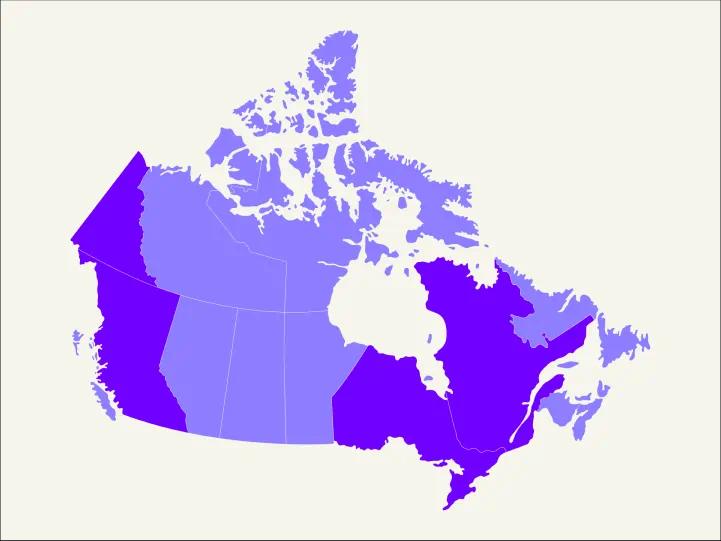
Canada map hearing loss

Find a hearing centre near you