
How Long Do Hearing Aid Batteries Last, and What Affects Their Lifespan?
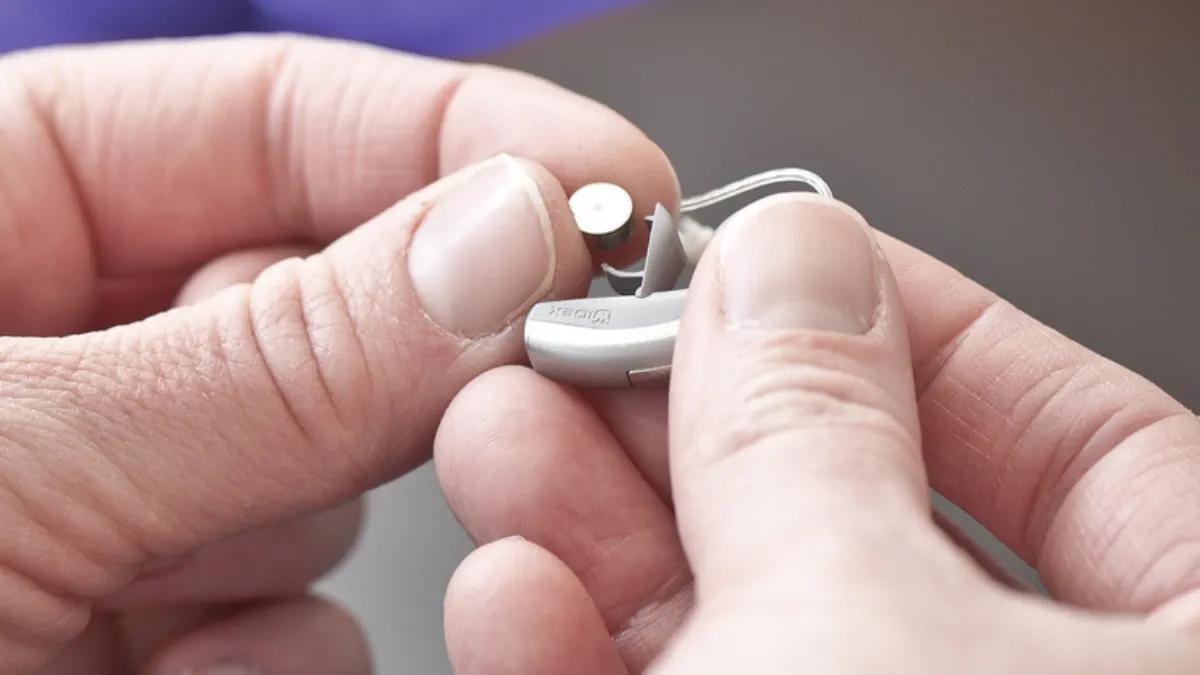
Understanding Different Types of Hearing Aid Batteries Available
Types of Hearing Aid Batteries

Rechargeable Batteries
If your hearing aids are rechargeable, they use a lithium-ion battery, which can charge overnight to conveniently deliver all-day power. While brands of hearing aids may differ in lifespan, they typically last anywhere from 20-36 hours with nightly charging.
Disposable Batteries
Zinc-air batteries, on the other hand, are disposable and need to be replaced when they run out of power. They come in four sizes, which are easy to identify by their colour coding used across all brands:2
Disposable Batteries
Disposable Batteries
Size 10
Size 312
Size 13
Size 675
Colour
Colour
Yellow
Brown
Orange
Blue
Size
Size
0.22" x 0.14"
0.31" x 0.14"
0.3" x 0.21"
0.45" x 0.21"
Fit
Fit
Battery Life
Battery Life
3 - 5 days (depends on usage)
7 - 10 days (depends on usage)
10 - 14 days (depends on usage)
7 - 10 days (depends on usage)
Additional Information
Additional Information
Need to be replaced more often because of their tiny size
-
-
Ideal if you need more amplification

Battery-operated hearing aids must be changed quite frequently, ranging from every few days to weekly, or every two weeks, depending on your type of hearing aid. Rechargeable hearing aids, on the other hand, typically last most of the day, usually around 24 to 36 hours, and generally need to be charged overnight.
Disposable Batteries: Pros and Cons
There are some pros and cons when considering disposable batteries.
- "Disposable hearing aid batteries are small and can be tricky if you have limited hand mobility or dexterity, something many clients experience," says Hiotis. "But helpful tools are available to make handling batteries even easier. Frequent battery changes can take extra time, and sometimes it's helpful to have assistance."

Common choice and widely available
Easy to use
No need for a charging unit
Works well when you do not have access to consistent electricity
Device longevity: Zinc-air batteries have a shelf life of two to three years, due to higher energy density and a stable discharge

Short lifespan
Less environmentally friendly
Need to frequently purchase batteries
Potential safety risk to children and pets if swallowed
Higher risk of corrosion
Requires more dexterity to use
While disposable batteries may be convenient if you don't have consistent access to electricity, they can be tricky to use if you have limited dexterity.
While there are helpful tools for handling batteries, like magnets, it’s important to discuss these concerns with your provider during your device selection.

Rechargeable Batteries: Pros and Cons
- “Rechargeable hearing aids are more environmentally friendly than disposable hearing aids,” says Hiotis. “They generate minimal waste compared to devices that require frequent disposable battery changes, which contribute to landfill.”
Lasts all day on a single charge
Plenty of power for streaming and optimization of hearing aid applications
No need to regularly change batteries
No challenges with battery insertion and removal
No need to purchase batteries regularly
More environmentally friendly than disposable batteries
Requires maintenance (charging daily)
Shorter battery lifespan
Rechargeable batteries typically last two to three years before their capacity drops and need to be replaced professionallyCharging time
A full charge can take a few hours; however, many chargers are portable or offer a ‘quick charge’ that gives several hours of power on a 30-minute charge.
Dependence on power
If you forget to charge or lose access to power, your hearing aids will need to be recharged to use again. Portable charging options are available for added convenience.
How Long Do Hearing Aid Batteries Last?
Average Lifespan of Hearing Aid Batteries
Disposable versus rechargeable hearing aid batteries: Which lasts longer?
Rechargeable Batteries
A single charge can last up to 36 hours with some devices (which includes five hours of streaming), and rechargeable hearing aids can also be charged on the go using a mobile dock.4Disposable Batteries
Zinc-air (disposable) batteries in traditional hearing aids last anywhere from three days up to two weeks before needing to be replaced, depending on the battery size, hearing aid use, and your hearing aid’s requirements.2

Some rechargeable models also come with portable charging cases that store additional charges, which is particularly useful if you don’t have access to a power source, such as when you’re camping or travelling.
What Can Impact the Lifespan of Your Hearing Aids?
Factors Affecting Battery Lifespan

Usage patterns
Streaming and long hours of use can drain more power
Environmental factors
Heat or cold can affect battery life. Store batteries between 10°C and 25°C.
Battery handling
Only remove the battery sticker tab when you’re about to use the battery, and don’t allow batteries to touch in storage, even with the sticker tab still on, as this may cause the batteries to discharge prior to use.
Cleanliness
Batteries can get contaminated, so wash your hands before handling.

Extending Battery Life
“The life of zinc-air batteries is shorter if exposed to carbon dioxide from heating equipment,” explains Hearing Care Professional D. Hara. So, one way to extend the lifespan of your batteries, according to Hara, is to “ventilate the room regularly to reduce carbon dioxide, especially in winter”.
Hara’s other top tip: “Wait about one minute before putting the batteries in your hearing aids. This gives the battery more exposure to oxygen and lets it fully activate.”
5 Ways to Extend the Life of Hearing Aid Batteries
- 1.Keep them away from metal objects1
- 2.Remove dead batteries promptly to avoid corrosion1
- 3.Clean your hearing aids regularly for optimal performance1
- 4.Switch off hearing aids when not in use
- 5.Remove batteries (on disposable models) when hearing aids are switched off and store them separately
Is Your Battery Dead?
Signs Your Battery Needs Replacing
Wondering when your batteries need replacing? Most hearing aids alert you with a warning sound or visual indicator when batteries run low, but you may also notice a drop in sound quality or the device not working as expected. Modern hearing aids display battery level on the hearing aid mobile app.
Some battery cases will have a built-in test, but you can also purchase a handy battery tester tool for disposable hearing aid batteries.


Matching Your Hearing Aid Batteries to Suit Your Lifestyle
Choosing the Right Battery for Your Needs
Thinking about upgrading your hearing aids? Consider your daily routine and what will help you live life to the fullest.


Get Help With Your Hearing Aids
If you’re not sure which option to pick, talk to your hearing care professional for personalized advice.
Sources:
1. Hear Canada: Hearing Aid Batteries: https://www.hearcanada.com/hearing-aids/batteries/
2. Signia: Introducing the Pure Charge&Go BCT IX https://www.signia.net/en/hearing-aids/integrated-xperience/pure-charge-go-ix/bluetooth-connectivity-transformed/