
Maintaining Hearing Aids
Hearing Aid Care and Maintenance Tips for Caregivers
Discover how you can help a loved one care for their hearing aids with a simple daily cleaning routine and encouraging support. Explore our useful tips to help them thrive every day.
Published 07/01/2026,
Updated 18/06/2026
2 min read
Reviewed by HearCanada editorial team
Hearing aidsTips and tricks
Share article

Handling Hearing Aids With Care
When Does a Loved One Need Help Maintaining Hearing Aids?
Sometimes maintaining hearing aids can be tricky, especially for loved ones with reduced dexterity, such as those living with arthritis or other conditions1. Your support can make all the difference, helping them stay independent and connected to what matters most.
According to The Hearing Review2, there are a range of factors unrelated to hearing that can influence how well a person can use their hearing aids. These include:

Cognition

Memory/recall

Manual dexterity

Tactile sensitivity

Health literacy

Vision
Some of these factors become more common with age, and can occur simultaneously. For example, older adults may notice changes in vision, memory, or manual skills, which can impact their independence with hearing aids.

Maintaining Hearing Aids
3 Ways to Help a Loved One Maintain Their Hearing Aids
If someone you care about is facing these challenges, a little extra support can help them get the most from their hearing aids.
Here are three ways to make life easier for someone you love:

Tip #1
1. Attend an appointment together
Hearing Care Professional H. Pintado says many families want to help but aren’t sure where to begin.
Going to hearing appointments together means your loved one gets emotional support, and you’ll both gain a better understanding of their communication needs. You’ll learn how to help in everyday situations, encourage follow-through with hearing care, and support shared decision-making.

Tip #2
2. Watch online tutorials
Look up your family member’s hearing aid brand online and check out product information and instructional videos so you and your loved one can learn together how hearing aids work and how to care for them confidently, Pintado suggests.

Tip #3
3. Learn the basics
Learning a few basics like how microphones, receivers, domes, and sound tubes work can make a big difference. Make sure you know how to charge hearing aids or replace disposable batteries, so you always have backup power handy. Explore tips and best practices to help your loved one enjoy a positive, worry-free hearing experience.
How Do I Clean Hearing Aids?

Clean daily
Hearing aids need a daily clean. At the end of each day, simply wipe hearing aids with a soft, dry cloth to remove any dirt and debris using the cleaning tools provided in your hearing aid kit.

Batteries
If batteries need replacing, make sure they’re inserted correctly1 and disposed of in the right way.
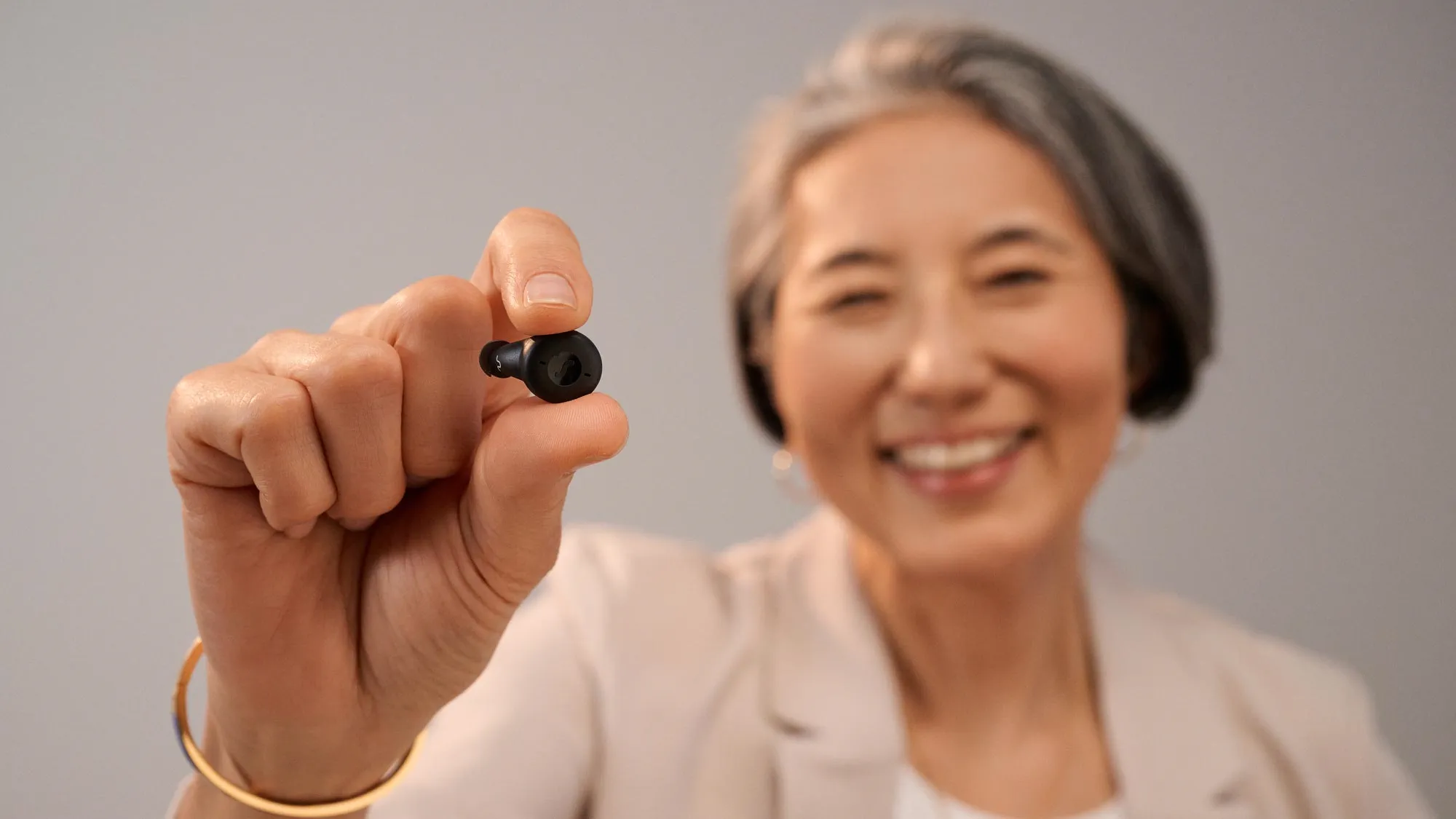
A daily cleaning routine helps you maintain the quality of your hearing aids
Full size
Troubleshooting Hearing Aids
What Happens When Hearing Aids Are Not Working?
"First thing is to check if the hearing aids are on: simply put them in your fist – do the hearing aids make a whistling noise? If not, change the battery or recharge the hearing aids (a visual signal should light up on the charger when you place the devices inside)."
R. Pascal
Hearing care professional
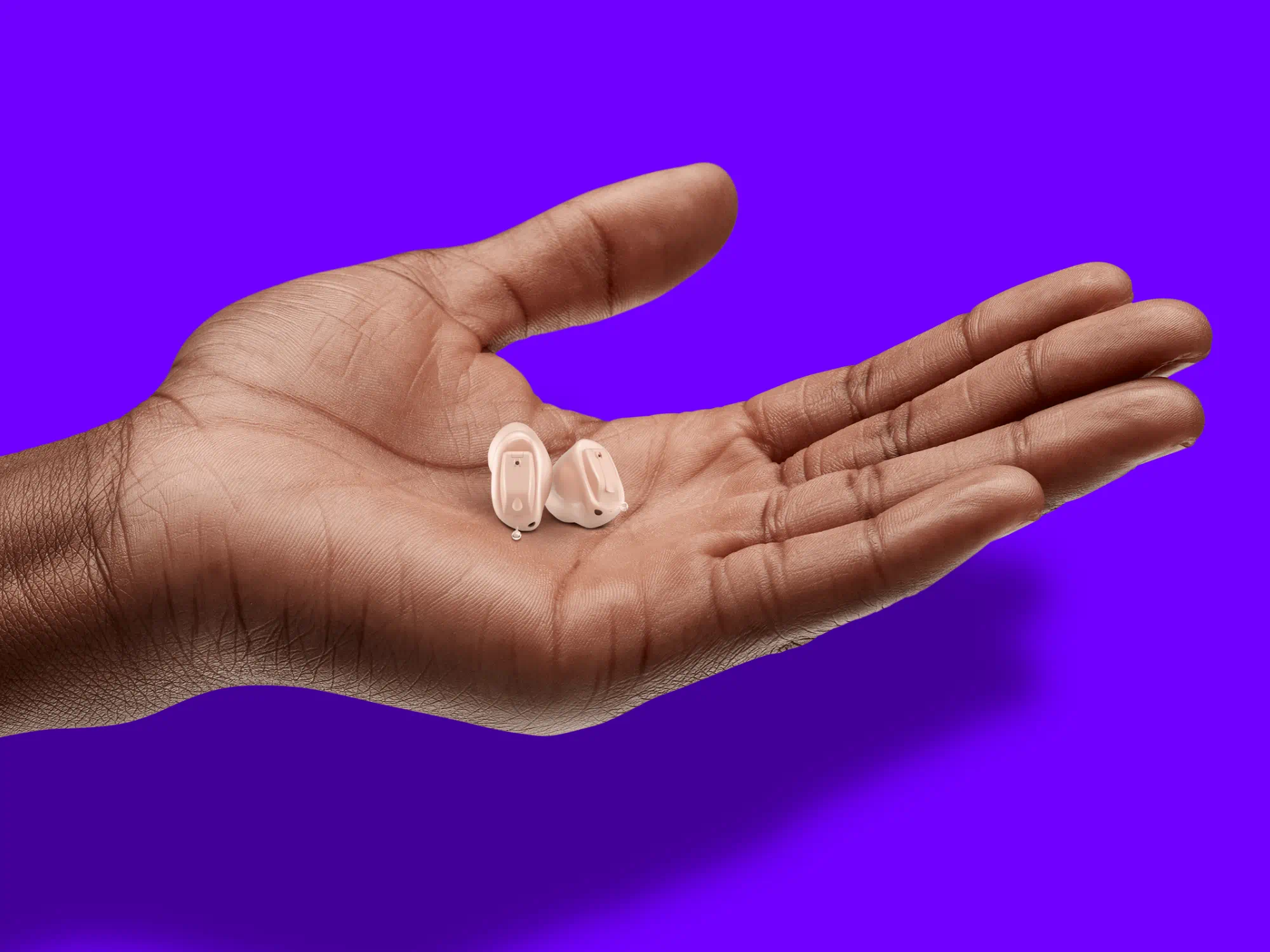
What If There Is Still No Sound After You’ve Completed Those Steps?
"Check if earwax is blocking the microphone or the dome/earmold attached to the receiver. A simple clean with a wipe can remove it, or change the wax guards. If your loved one hears a whistling noise while using the hearing aids, make sure they’re fitted correctly with the earmold/dome in the ear canal.”
R. Pascal
Hearing care professional

Sources:
1. Desjardins
JL, Alicea CA, Doherty KA. The effect of memory span and manual dexterity on
hearing aid handling skills in new and experienced hearing aid users. American
Journal of Audiology. 2019;28(1):37-47. doi:10.1044/2018_AJA-17-0118/
2. The Hearing Review: Hearing Aid Outcomes and the Influence of Non-auditory Factors: https://hearingreview.com/resource-center/expert-insight/hearing-aid-outcomes-influence-non-auditory-factors
Share article